
Natural Ways to Keep Your Pets and Yard Free from Ticks and Fleas This Season

Spring and summer bring warm weather and outdoor fun, but they also bring ticks and fleas that can cause discomfort and health risks for pets and families. Many pet owners want to avoid harsh chemicals and seek natural, plant-based solutions that protect their pets, children, and the environment. This guide shares effective, natural methods to keep your pets and yard free from these pests, so you can enjoy the season without worry.

DIY and Natural Defense Sprays
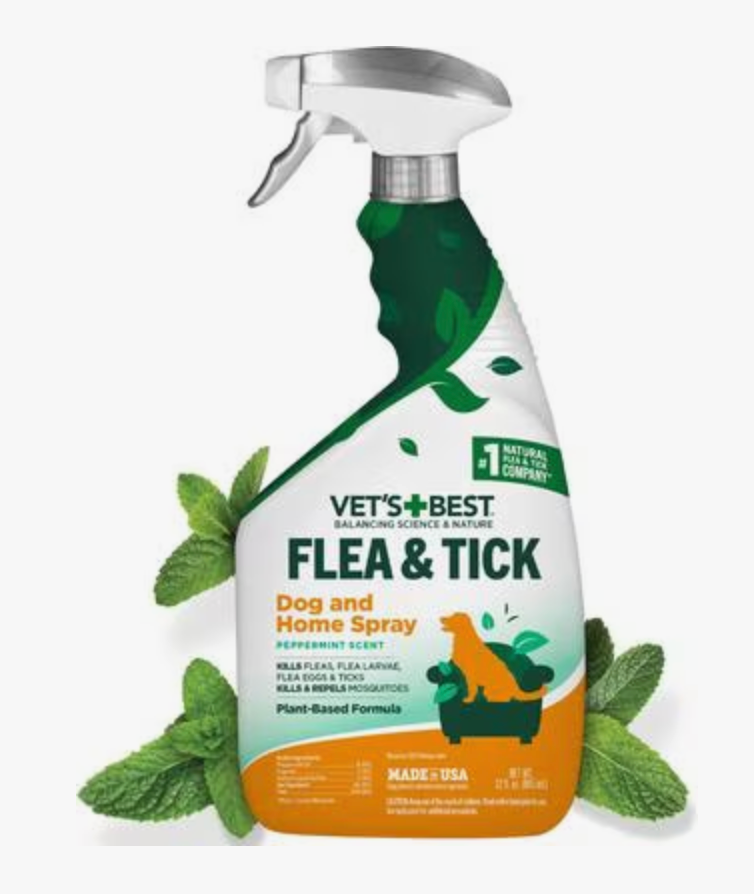
Using natural sprays is a simple way to repel ticks and fleas before they latch on. These sprays rely on scents that pests find unpleasant, making your pet less attractive to them. MUST BE USED DAILY & APPLIED TO BEDDING AND AREA WHERE PET IS. Will not kill just deter them from biting you pet.
Essential Oil Blends
Oils like cedarwood, peppermint, and lemongrass have strong scents that ticks and fleas avoid. Mix a few drops of these oils with water and a splash of apple cider vinegar in a spray bottle. Shake well and lightly mist your pet’s coat before walks or outdoor play. Avoid spraying near the eyes and nose.
Citrus-Based Sprays
Fleas dislike citrus smells. Boil thin slices of lemon in water, let the mixture steep overnight, then strain it into a spray bottle. This gentle, aromatic spray can be applied to your pet’s fur, providing a natural barrier against pests.
Store-Bought Natural Sprays
Look for products containing geraniol or peppermint oil. These ingredients are proven to repel fleas and ticks and can be convenient for daily use. Always check that the product is safe for your pet’s species and age.
Natural Powders as a Physical Barrier
If you prefer a dry method, natural powders can reach deep into fur and household fabrics, disrupting the life cycle of pests.
Food Grade Diatomaceous Earth (DE)
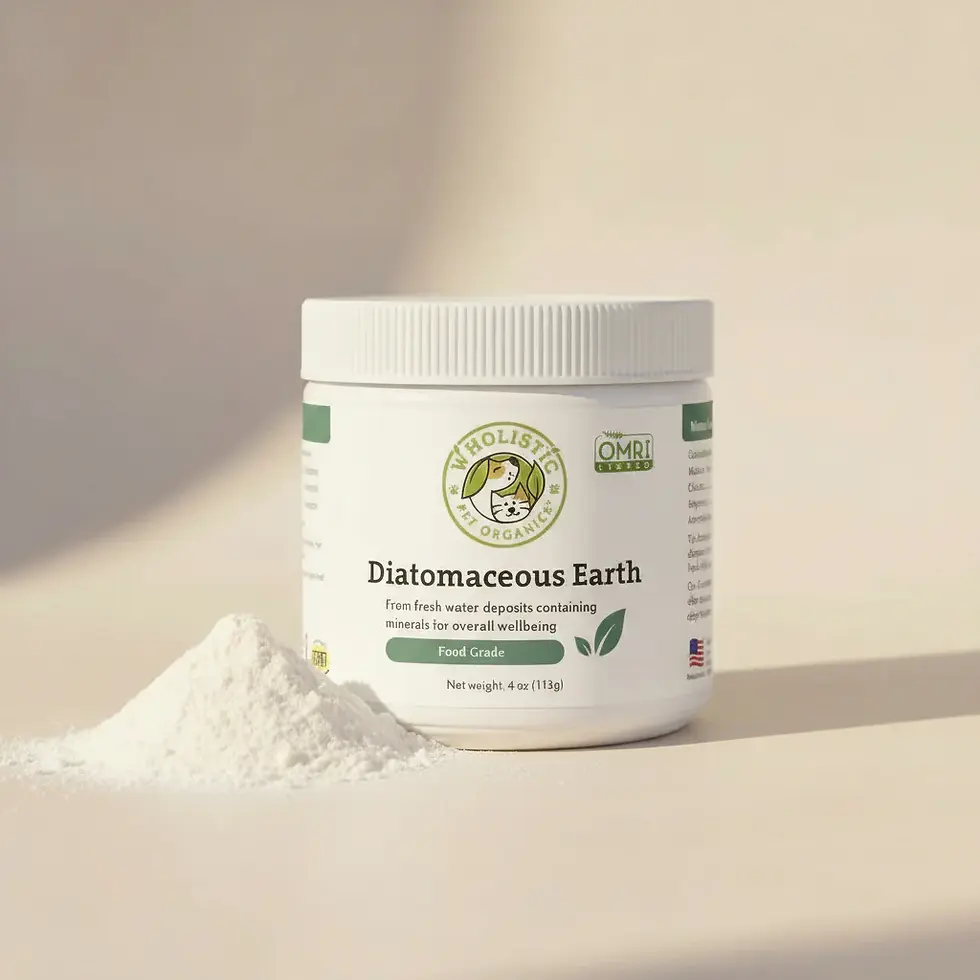
This powder is made from fossilized algae and works by dehydrating insects on contact. Lightly dust DE on your pet’s bedding, carpets, and even directly on your pet’s fur. Be careful to avoid inhaling the dust, and only use food grade DE to ensure safety.
Baking Soda and Salt Mix
Sprinkling a mixture of baking soda and salt on carpets can help dry out flea eggs and larvae. Let it sit for several hours before vacuuming thoroughly. This method helps reduce flea populations in your home without chemicals.
Reclaiming Your Yard from Pests
Your yard can be a safe space for pets and family if you manage it to discourage ticks and fleas.
Keep Grass Short and Clear Debris
Ticks thrive in tall grass and leaf litter. Regularly mow your lawn and remove piles of leaves or brush where pests can hide.
Plant Pest-Repelling Plants
Certain plants like lavender, rosemary, and marigolds naturally repel ticks and fleas. Planting these around your yard can create a pest-unfriendly environment.
Create a Barrier with Wood Chips
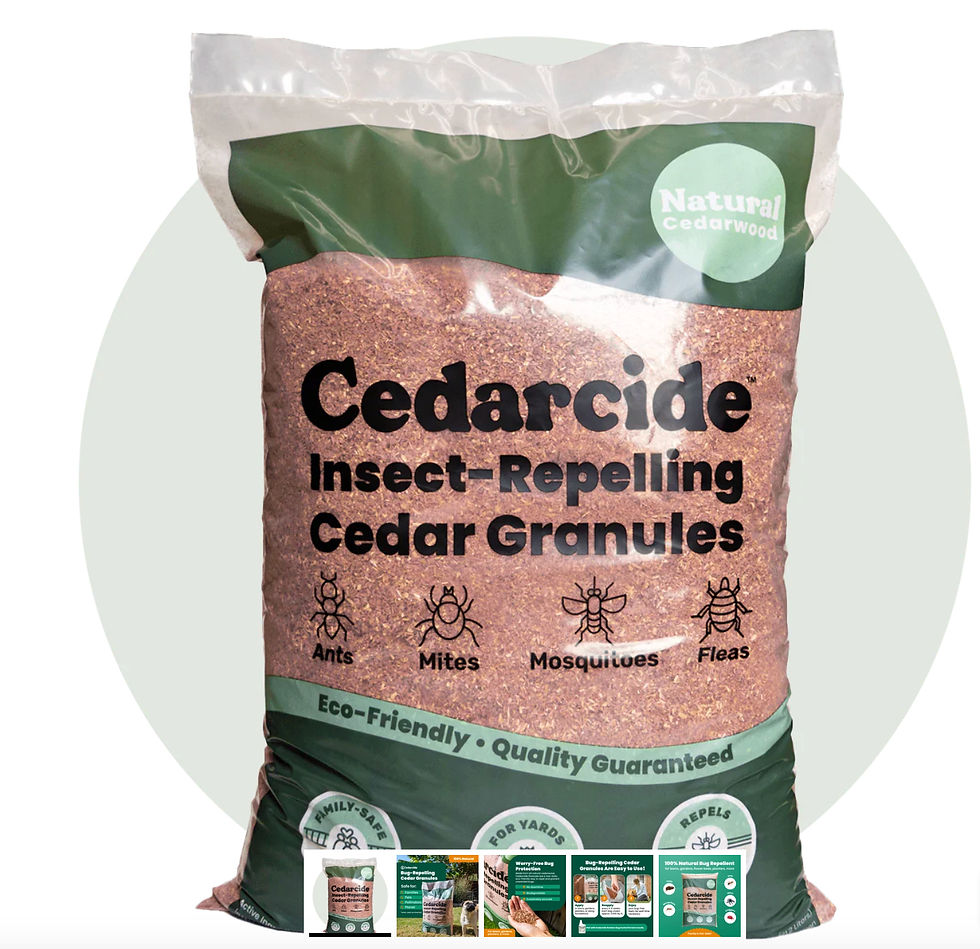
Place wood chips or gravel between wooded areas and your lawn. This dry barrier discourages ticks from migrating into your yard.
Limit Wildlife Access
Wildlife such as deer and rodents can carry ticks. Use fencing or deterrents to keep these animals away from your yard.
Additional Tips for Pet Care and Pest Prevention
Regular Grooming
Brush your pet’s fur frequently to spot and remove ticks or fleas early. Bathing with natural shampoos containing neem or eucalyptus oil can also help repel pests.
Check Pets After Outdoor Time
Inspect your pets thoroughly after walks or playtime, especially around ears, neck, and paws where ticks like to hide.
Clean Pet Bedding Often
Wash pet bedding in hot water weekly to kill any flea eggs or larvae.
Use Natural Flea Collars
Collars infused with essential oils like citronella or geraniol can provide ongoing protection.
Comparison of Natural Vs. Chemical

Links
Check out Our Amazon Store for These tick pet & yard prevention.
Written by: Kirsten H. - Our COO & Mom to Remi, Sirus & Mercy
April 9th, 2026
(Portions of this content were drafted with the assistance of AI. The final version has been reviewed and refined by a human editor to ensure quality and original insight.)



Comments